
Understanding Sustainable Design Practices in the Philippines: Embracing Philippine Eco-Friendly Design
- UODC Architects Marketing
- Apr 16
- 4 min read

Sustainable design is becoming a crucial part of how communities and industries develop worldwide. In the Philippines, a country rich in natural resources and cultural heritage, adopting sustainable design practices is essential for preserving the environment and improving quality of life. This article explores the principles of sustainable design, how they are applied in the Philippines, and practical examples of eco-friendly projects shaping the future.
The Importance of Philippine Eco-Friendly Design
Sustainable design in the Philippines focuses on creating buildings, products, and systems that minimize environmental impact while promoting social and economic benefits. The country faces challenges such as climate change, urban congestion, and resource depletion, making eco-friendly design not just a choice but a necessity.
Key aspects of Philippine eco-friendly design include:
Use of local and renewable materials: Bamboo, coconut lumber, and other indigenous materials reduce carbon footprint.
Energy efficiency: Incorporating solar panels, natural ventilation, and insulation to reduce energy consumption.
Water conservation: Rainwater harvesting and greywater recycling help manage scarce water resources.
Waste reduction: Designing for minimal waste during construction and promoting recycling.
Community involvement: Engaging local communities ensures designs meet social needs and preserve cultural identity.
By integrating these principles, designers and developers contribute to a healthier environment and resilient communities.

Key Sustainable Design Practices in the Philippines
Several sustainable design practices have gained traction in the Philippines, reflecting both traditional knowledge and modern innovation. Here are some of the most effective approaches:
1. Utilizing Indigenous Materials
Traditional Filipino architecture often uses materials like bamboo, nipa palm, and rattan. These materials are renewable, biodegradable, and well-suited to the tropical climate. Modern sustainable design revives these materials with improved techniques to enhance durability and aesthetics.
2. Passive Cooling and Ventilation
Given the tropical climate, passive cooling is vital. Designs incorporate wide eaves, large windows, and elevated floors to promote airflow and reduce reliance on air conditioning. This approach lowers energy use and improves indoor comfort.
3. Solar Energy Integration
The Philippines has abundant sunlight, making solar power a practical energy source. Many new buildings and homes install solar panels to generate electricity, reducing dependence on fossil fuels and lowering utility costs.
4. Rainwater Harvesting Systems
Water scarcity is a growing concern. Rainwater harvesting systems collect and store rainwater for household or irrigation use. This practice conserves potable water and reduces flooding risks during heavy rains.
5. Green Roofs and Vertical Gardens
Urban areas benefit from green roofs and vertical gardens, which improve air quality, reduce heat island effects, and provide insulation. These features also create green spaces in densely populated cities.
6. Waste Management and Recycling
Sustainable design encourages the use of recycled materials and designs that facilitate waste segregation. Construction waste is minimized by careful planning and reuse of materials.
By adopting these practices, the Philippines moves toward a more sustainable future that respects both nature and culture.
What are the 5 Sustainable Cities in the Philippines?
Several cities in the Philippines have made significant strides in sustainable urban development. These cities serve as models for integrating eco-friendly design and policies:
1. Makati City
Makati is known for its green building initiatives and urban planning that prioritizes walkability and public transport. The city promotes energy-efficient buildings and has several LEED-certified structures.
2. Taguig City (Bonifacio Global City)
Bonifacio Global City incorporates green spaces, bike lanes, and sustainable architecture. It emphasizes mixed-use developments that reduce the need for long commutes.
3. Davao City
Davao has implemented strict environmental regulations and promotes renewable energy projects. The city also supports community-based waste management programs.
4. Cebu City
Cebu is advancing in sustainable transport and green building codes. Efforts include improving public transit and encouraging eco-friendly construction.
5. Iloilo City
Iloilo focuses on preserving heritage while integrating green infrastructure. The city promotes sustainable tourism and urban greening projects.
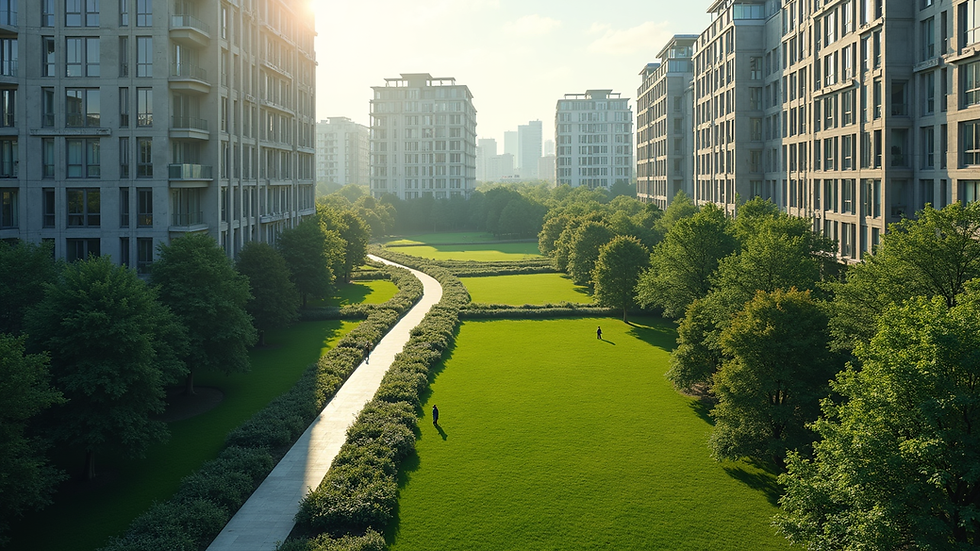
These cities demonstrate how sustainable design can be adapted to different urban contexts in the Philippines, balancing growth with environmental stewardship.
Practical Tips for Implementing Sustainable Design in Your Projects
Whether you are a homeowner, architect, or developer, incorporating sustainable design principles can be straightforward and rewarding. Here are actionable recommendations:
Assess the Site and Climate
Understand local weather patterns, sun orientation, and wind direction to optimize natural lighting and ventilation.
Choose Local Materials
Source materials from local suppliers to reduce transportation emissions and support the local economy.
Incorporate Renewable Energy
Install solar panels or small wind turbines where feasible to reduce energy costs and carbon footprint.
Design for Water Efficiency
Use low-flow fixtures, rainwater harvesting, and drought-resistant landscaping to conserve water.
Plan for Waste Reduction
Design buildings for easy maintenance and recycling. Use modular construction to minimize waste.
Engage the Community
Involve local residents in the design process to ensure the project meets their needs and respects cultural values.
Seek Certification
Consider green building certifications like BERDE (Building for Ecologically Responsive Design Excellence) to validate your efforts.
By following these tips, projects can achieve sustainability goals while enhancing functionality and aesthetics.
The Future of Sustainable Design in the Philippines
The future of sustainable design in the Philippines looks promising as awareness and technology advance. Government policies increasingly support green building codes and renewable energy incentives. Educational institutions are incorporating sustainability into their curricula, preparing the next generation of designers and engineers.
Innovations such as smart homes, eco-friendly materials, and integrated urban planning will continue to evolve. Collaboration between public and private sectors will be key to scaling sustainable design practices nationwide.
For those interested in learning more about sustainable design in the Philippines, exploring resources on sustainable design philippines can provide valuable insights and inspiration.
Embracing sustainable design is not just about protecting the environment; it is about creating healthier, more resilient communities that honor the rich heritage and natural beauty of the Philippines. By adopting these practices, the country can build a sustainable future for generations to come.


Comments