
Managing Expectations: A Key to Successful Architectural Projects
- UODC Architects Marketing
- May 14, 2024
- 3 min read

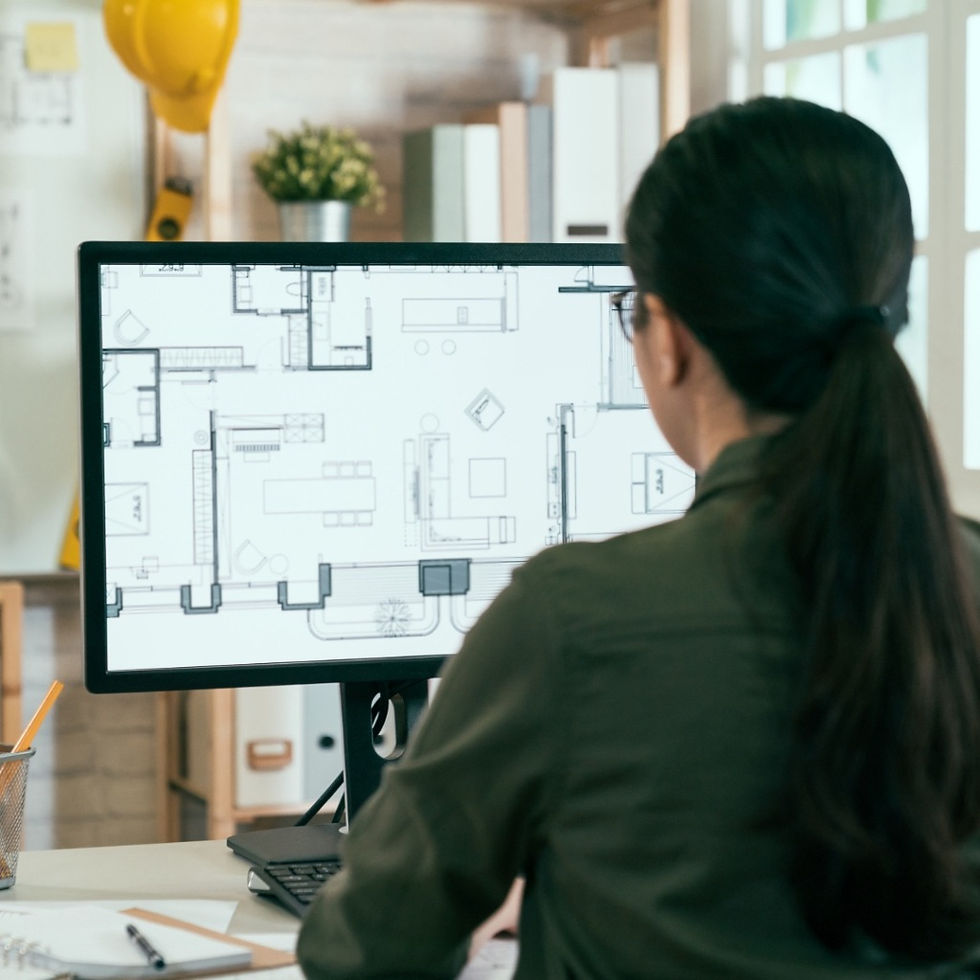
In the world of architecture, the bridge between vision and reality is often paved with challenges, particularly when it comes to aligning what clients expect with what can feasibly be delivered. This delicate balance is crucial, not just for the success of a single project, but for maintaining long-term relationships with clients who trust us to turn their visions into tangible structures. Today, we delve into the importance of managing client expectations, a common stumbling block for many architects, and explore both the problem and our strategic solutions.
Understanding the Problem
At the heart of many architectural projects lies a fundamental challenge: managing client expectations effectively. It’s a multifaceted issue, often starting with the initial client meetings where dreams are discussed and plans begin to take shape. Here, clients may have visions that are not just ambitious but sometimes border on the impractical due to budget constraints, zoning laws, or physical limitations of the site.
The statistics highlight the gravity of this issue. A survey conducted by the American Institute of Architects revealed that nearly 30% of all architectural projects undergo significant changes due to client expectations not aligning with reality. Furthermore, about 20% of these projects experience budget overruns or extended timelines directly attributed to changes made after the initial planning phases. These disruptions not only affect the project’s financial and temporal scopes but can also strain client-architect relationships, leading to dissatisfaction and, in worst cases, to disputes that may require legal intervention.
Design and Build Solutions
To navigate these challenges, we have developed a structured approach that emphasizes transparency, communication, and education throughout the design and build process.
Early Engagement and Education: One of the first steps in our process involves detailed client engagement sessions. Here, we educate our clients about the realities of architectural design and construction. This includes discussions on the impact of local zoning laws, the implications of site-specific constraints, and the truth about budget and timeline estimations. By setting realistic expectations from the outset, we reduce the risk of significant deviations from the original plan as the project progresses.
Iterative Feedback Loops: We integrate regular check-ins with clients into every phase of the project. These aren’t merely updates but interactive feedback sessions where clients can see the progress of their project and discuss potential adjustments. This iterative process ensures that any changes to the plan are made with a clear understanding of their implications, helping to manage expectations and prevent last-minute alterations.
Visual and Technological Aids: Utilizing advanced technology like 3D modeling and virtual reality, we offer clients a visual walk-through of their projects before physical work begins. This not only brings the project to life but allows for a more concrete discussion about design elements, spatial arrangements, and material choices. It’s easier to manage expectations when clients can visually understand the scale and scope of their project in relation to their budget and timeline constraints.
Comprehensive Documentation: Every discussion, decision, and agreed-upon change is meticulously documented. This practice not only maintains clarity between all parties involved but also provides a reference that can help mitigate any potential misunderstandings or disputes in the future.
Flexibility with Foresight: While we strive to adhere to the agreed plans, we also prepare our clients for possible unforeseen changes such as those arising from material availability issues or regulatory updates. By discussing these potential variables early on, we keep clients informed about the possible need for flexibility in their expectations.
Inviting Reflection
Through strategic planning, open communication, and the use of advanced technology, we bridge the gap between client expectations and project realities, ensuring that the final product aligns closely with the client’s vision while remaining within the bounds of feasibility. This approach not only fosters satisfaction and trust but also enhances the overall success of our architectural projects.
As we continue to refine our strategies in managing client expectations, we invite you to consider: How does clear communication influence your perception of a project’s success?


Comments